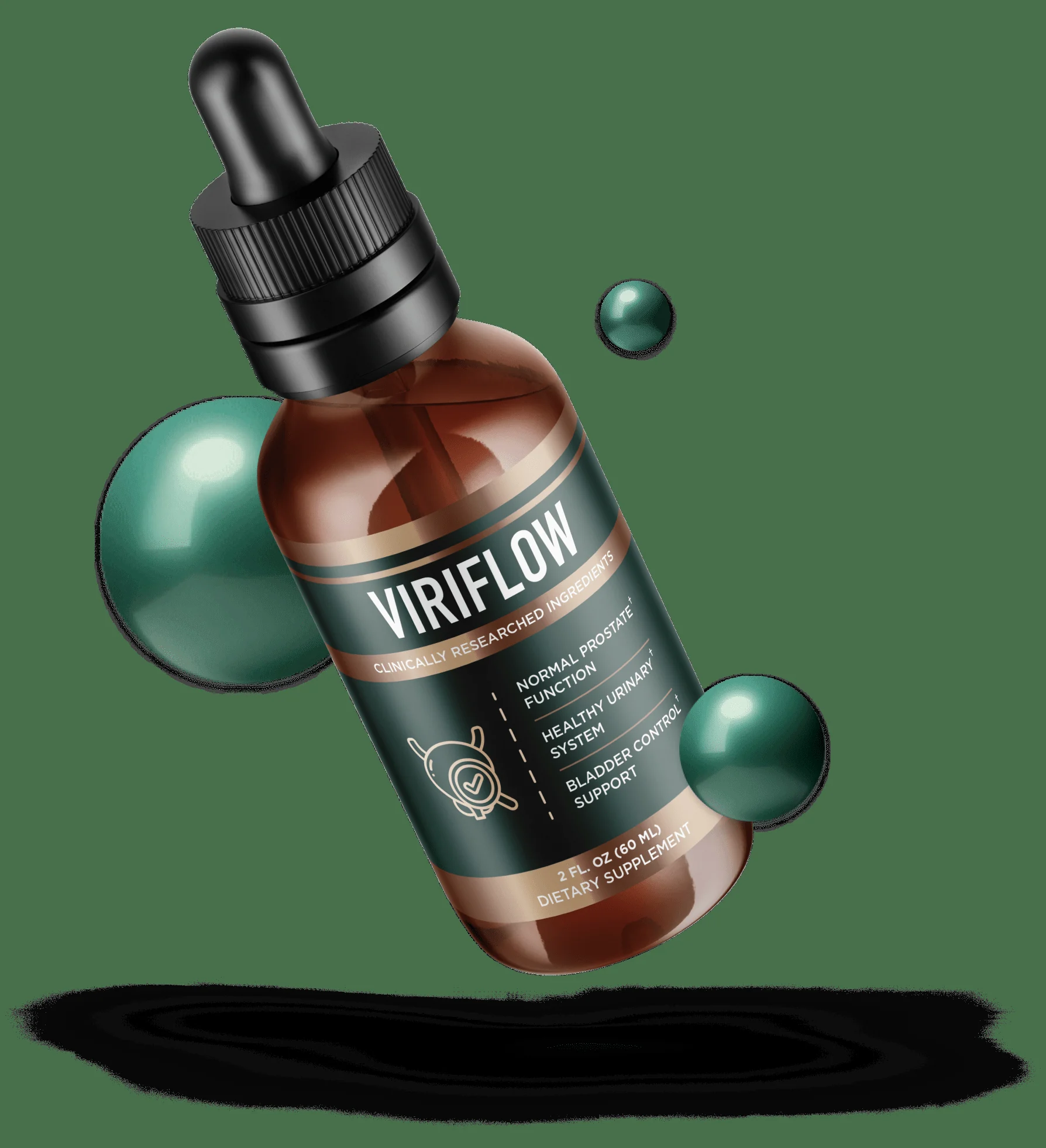
There is a difference between evidence that an ingredient has been studied and evidence that the finished ViriFlow product works. Our review found ingredient-level research relevant to several components, but we did not identify a clinical trial establishing the complete commercial ViriFlow formula as effective for a specific prostate or urinary condition.
The Evidence-Distance Test
We assess a claim by asking how close the evidence is to the actual product being sold. The strongest evidence would be a well-designed trial of the finished ViriFlow formula. Further away are studies of the same combination, individual standardized ingredients, laboratory findings and traditional-use claims. Distance does not make lower-level evidence useless; it simply limits what the evidence can honestly support.
| Evidence level | Example | What it tells us |
|---|---|---|
| Finished product | Clinical trial of the exact ViriFlow formula | Most direct efficacy evidence |
| Combination | Study of a comparable multi-ingredient formula | Potentially relevant, but not identical |
| Ingredient | Saw palmetto or pygeum research | Ingredient-level evidence only |
| Mechanistic/traditional | Laboratory or traditional-use findings | Plausibility, not clinical proof |
Saw Palmetto as a Case Study
Saw palmetto shows why the answer is not simply yes or no. It has been studied extensively in men with urinary symptoms, but results have been inconsistent and NCCIH reports limited benefit from saw palmetto alone in the evidence it summarizes. ViriFlow also contains other ingredients, so the saw-palmetto literature cannot be used as a substitute for a ViriFlow trial.
What Seller Claims Can Establish
Seller material can establish the intended use, serving instructions, package options and the claims the seller chooses to make. It can also tell us which ingredients the seller wants buyers to associate with the product. Those are useful facts about the product's presentation, but they are not independent efficacy evidence.
What Would Strengthen the Case?
The most useful evidence would be a peer-reviewed randomized controlled trial of the exact finished formula, with a clearly described population, dose, comparator, duration and clinically meaningful outcome. A transparent current label would also make ingredient-level comparisons much more informative.
Bottom Line
It is reasonable to say that ViriFlow contains ingredients that have been researched individually. It is not reasonable to turn that into a claim that ViriFlow is clinically proven. Our current assessment therefore remains evidence-limited rather than promotional or dismissive.
The Evidence-Distance Test
When reading any ViriFlow claim, move from the claim back to its source. Ask whether the source is the bottle label, the seller, an ingredient study, or a finished-product trial. The further the evidence is from the actual product, the more carefully the wording should be qualified.
Why “Ingredient Has Research” Is Not the Same as “ViriFlow Works”
Ingredient studies may use a different extract, dose, population or endpoint. A proprietary blend may also prevent a reader from confirming whether the studied amount is present. These are ordinary evidence limitations, not proof that the product fails.
What Evidence Would Change Our Assessment?
A reproducible current label plus independent testing and a well-designed finished-product clinical trial would materially strengthen the evidence. Stronger independent data on the exact combination would also reduce uncertainty.
Sources
- NCCIH — Saw Palmetto
- ACCESS Newswire — ViriFlow product coverage
- PubMed — biomedical literature database
- Full references
Want to check the current ViriFlow offer?
Verify the current package, formula presentation, shipping and refund terms before purchasing.
Visit Product Page